Find Trade Colleges
What is a Hunter or Trapper?
Hunter or Trapper Job Description Hunt and trap wild animals for human consumption, fur, feed, bait, or other purposes.
A Day in the Life of a Hunter or Trapper
- Wash and sort pelts according to species, color, and quality.
- Obtain required approvals for using poisons or traps, and notify persons in areas where traps and poison are set.
- Mix baits for attracting animals.
- Remove designated parts, such as ears or tails, from slain quarry as evidence for killing bounty, using knives.
- Pack pelts in containers, load containers onto trucks, and transport pelts to processing plants or to public auctions.
- Cure pelts with salt and boric acid.
Featured schools near , edit
What a Hunter or Trapper Should Know
When polled, Hunters and Trappers say the following skills are most frequently used in their jobs:
Critical Thinking: Using logic and reasoning to identify the strengths and weaknesses of alternative solutions, conclusions or approaches to problems.
Active Listening: Giving full attention to what other people are saying, taking time to understand the points being made, asking questions as appropriate, and not interrupting at inappropriate times.
Complex Problem Solving: Identifying complex problems and reviewing related information to develop and evaluate options and implement solutions.
Operation Monitoring: Watching gauges, dials, or other indicators to make sure a machine is working properly.
Operation and Control: Controlling operations of equipment or systems.
Judgment and Decision Making: Considering the relative costs and benefits of potential actions to choose the most appropriate one.
Related Job Titles for this Occupation:
- Bounty Hunter
- Mule Rider
- Game Trapper
- Alligator Hunter
- Carriage Rider
What Tools do Hunters and Trappers Use?
Although they’re not necessarily needed for all jobs, the following technologies are used by many Hunters and Trappers:
How do I Become a Hunter or Trapper?
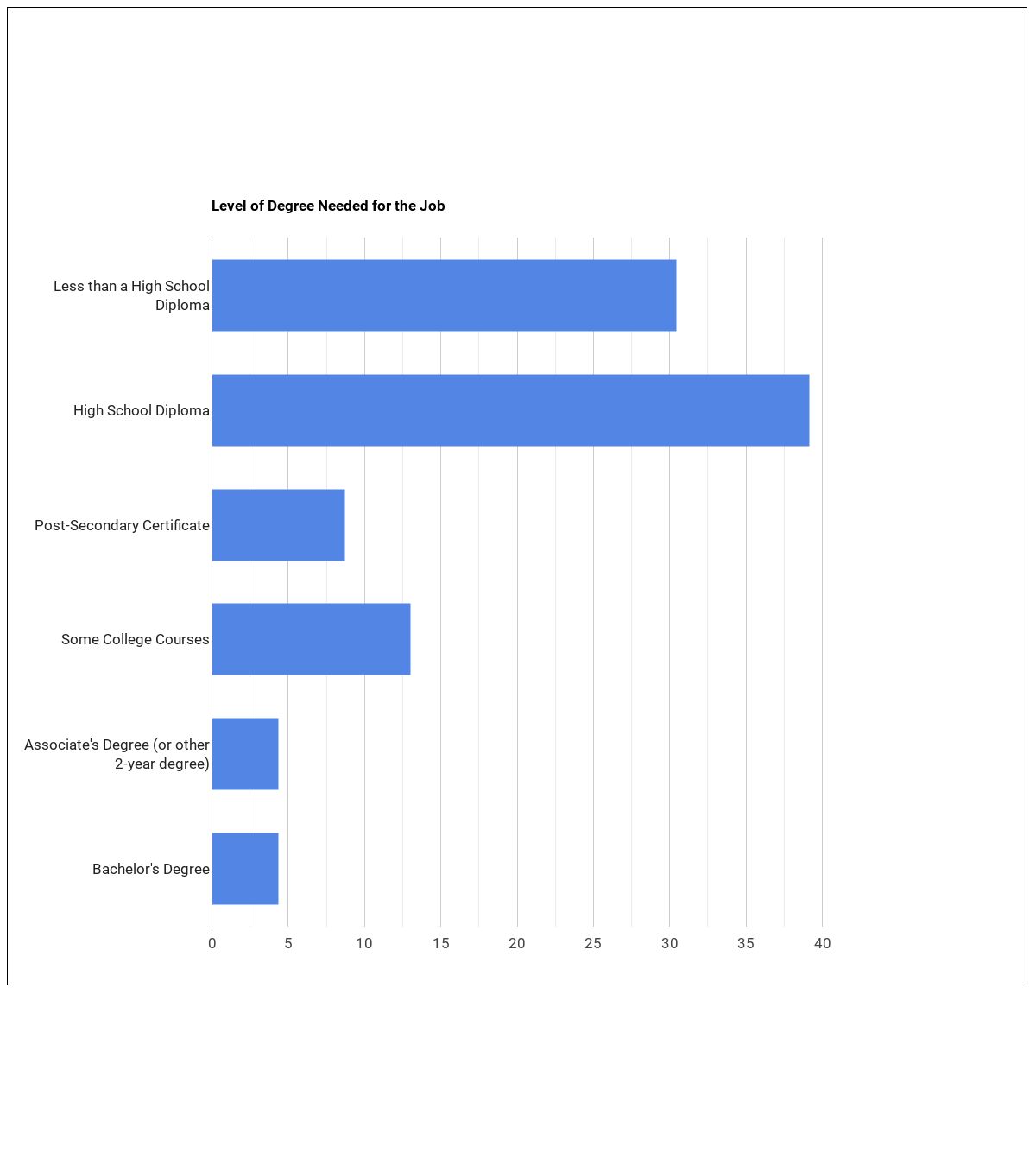
Individuals working as a Hunter or Trapper have obtained the following education levels:
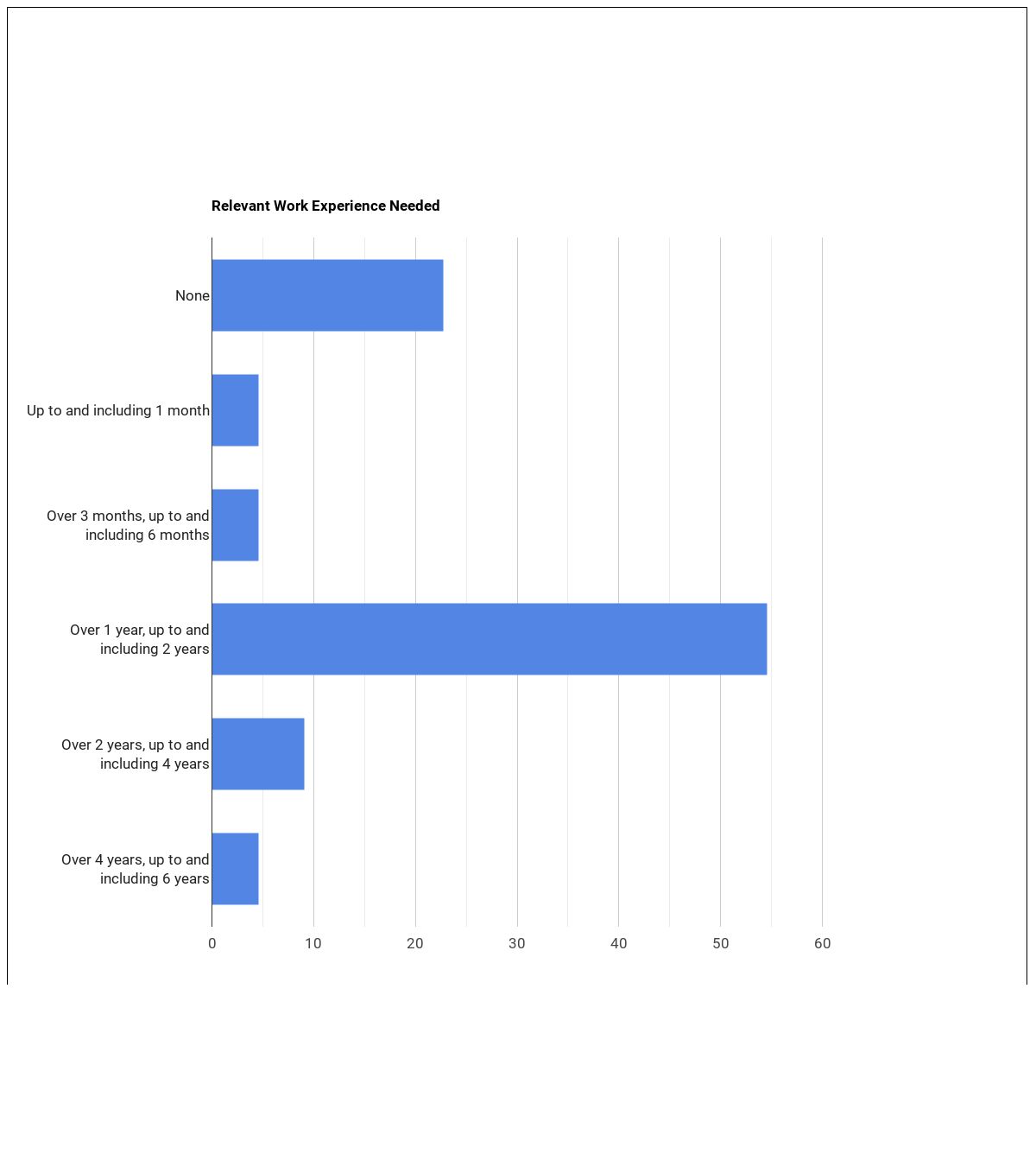
How many years of work experience do I need?
References:
More about our data sources and methodologies.

TradeCollege.org provides higher-education, college and university, degree, program, career, salary, and other helpful information to students, faculty, institutions, and other internet audiences. Presented information and data are subject to change. Inclusion on this website does not imply or represent a direct relationship with the company, school, or brand. Information, though believed correct at time of publication, may not be correct, and no warranty is provided. Contact the schools to verify any information before relying on it. Financial aid may be available for those who qualify. TradeCollege.org is a for-profit site, and the displayed options may include sponsored or recommended results, not necessarily based on your preferences.
© TradeCollege.org – All Rights Reserved.