Find Trade Colleges
What Do Fire Investigator Do?
Fire Investigator Example Conduct investigations to determine causes of fires and explosions.
Daily Life Of a Fire Investigator
- Examine fire sites and collect evidence such as glass, metal fragments, charred wood, and accelerant residue for use in determining the cause of a fire.
- Package collected pieces of evidence in securely closed containers, such as bags, crates, or boxes, to protect them.
- Test sites and materials to establish facts, such as burn patterns and flash points of materials, using test equipment.
- Instruct children about the dangers of fire.
- Conduct internal investigation to determine negligence and violation of laws and regulations by fire department employees.
- Swear out warrants, and arrest and process suspected arsonists.
Featured schools near , edit
Things a Fire Investigator Should Know How to Do
Fire Investigators state the following job skills are important in their day-to-day work.
Active Listening: Giving full attention to what other people are saying, taking time to understand the points being made, asking questions as appropriate, and not interrupting at inappropriate times.
Speaking: Talking to others to convey information effectively.
Critical Thinking: Using logic and reasoning to identify the strengths and weaknesses of alternative solutions, conclusions or approaches to problems.
Writing: Communicating effectively in writing as appropriate for the needs of the audience.
Complex Problem Solving: Identifying complex problems and reviewing related information to develop and evaluate options and implement solutions.
Reading Comprehension: Understanding written sentences and paragraphs in work related documents.
Types of Fire Investigator
- Investigator
- Fire Lieutenant
- Canine Handler (K9 Handler)
- Fire Investigation Manager
- Fire and Explosion Investigator
Is There Going to be Demand for Fire Investigators?
In 2016, there was an estimated number of 12,300 jobs in the United States for Fire Investigator. New jobs are being produced at a rate of 7.3% which is above the national average. The Bureau of Labor Statistics predicts 900 new jobs for Fire Investigator by 2026. Due to new job openings and attrition, there will be an average of 1,400 job openings in this field each year.
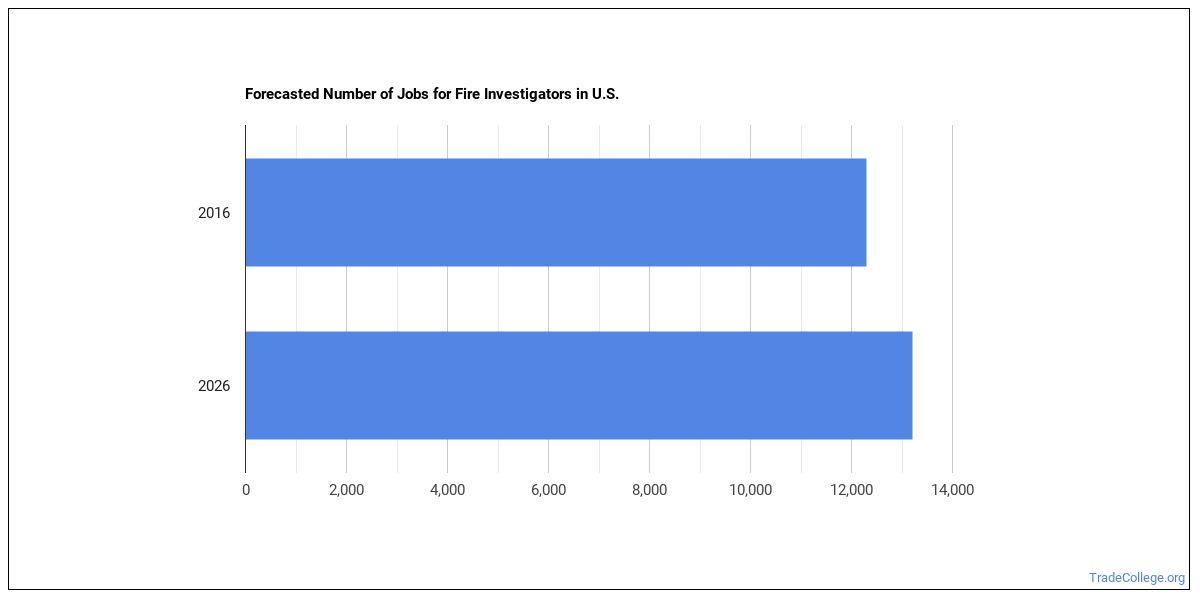
The states with the most job growth for Fire Investigator are Idaho, Vermont, and Arkansas. Watch out if you plan on working in New Jersey, Rhode Island, or North Dakota. These states have the worst job growth for this type of profession.
Fire Investigator Average Salary
Fire Investigators make between $36,400 and $95,330 a year.
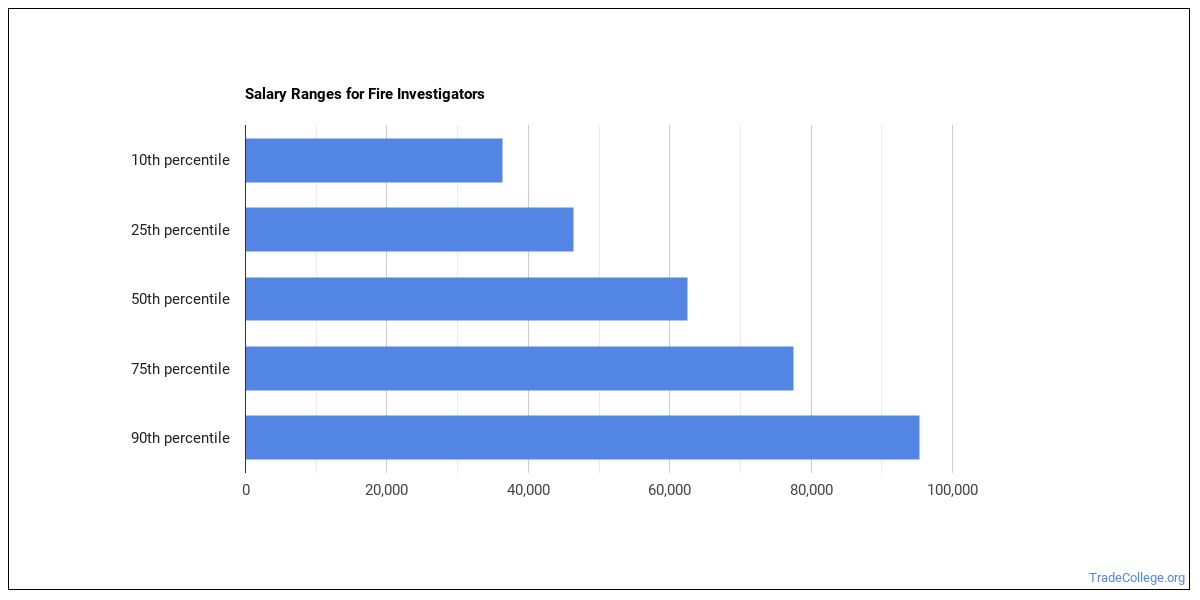
Fire Investigators who work in California, Oregon, or District of Columbia, make the highest salaries.
How much do Fire Investigators make in each U.S. state?
| State | Annual Mean Salary |
|---|---|
| Alabama | $68,630 |
| Arizona | $64,190 |
| Arkansas | $44,310 |
| California | $103,830 |
| Colorado | $74,790 |
| Connecticut | $74,280 |
| Delaware | $58,820 |
| District of Columbia | $75,800 |
| Florida | $63,040 |
| Georgia | $52,010 |
| Illinois | $64,760 |
| Indiana | $53,670 |
| Iowa | $64,680 |
| Kansas | $53,210 |
| Kentucky | $43,640 |
| Louisiana | $50,990 |
| Maine | $54,600 |
| Maryland | $64,490 |
| Massachusetts | $66,710 |
| Michigan | $59,740 |
| Minnesota | $68,210 |
| Missouri | $44,930 |
| New Hampshire | $62,700 |
| New Jersey | $55,890 |
| New Mexico | $52,010 |
| New York | $66,580 |
| North Carolina | $52,760 |
| North Dakota | $61,850 |
| Ohio | $66,650 |
| Oklahoma | $68,080 |
| Oregon | $89,860 |
| Pennsylvania | $56,890 |
| Rhode Island | $56,130 |
| South Carolina | $53,680 |
| Tennessee | $62,660 |
| Texas | $63,540 |
| Utah | $58,000 |
| Vermont | $58,790 |
| Virginia | $55,540 |
| Washington | $81,430 |
| West Virginia | $47,190 |
| Wisconsin | $57,460 |
Tools & Technologies Used by Fire Investigators
Below is a list of the types of tools and technologies that Fire Investigators may use on a daily basis:
- Microsoft Excel
- Microsoft Word
- Web browser software
- Microsoft Access
- Email software
How do I Become a Fire Investigator?
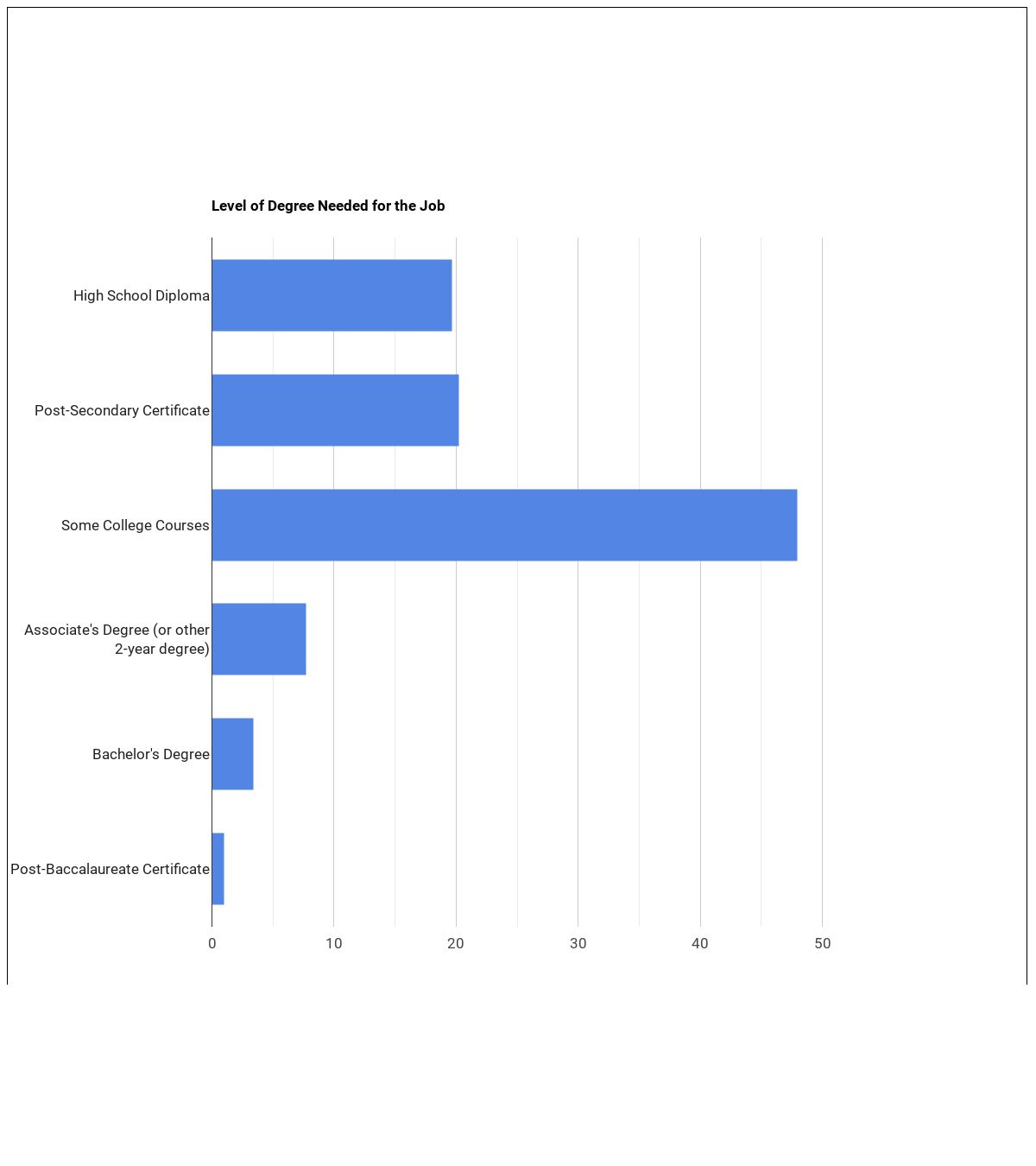
Are there Fire Investigators education requirements?
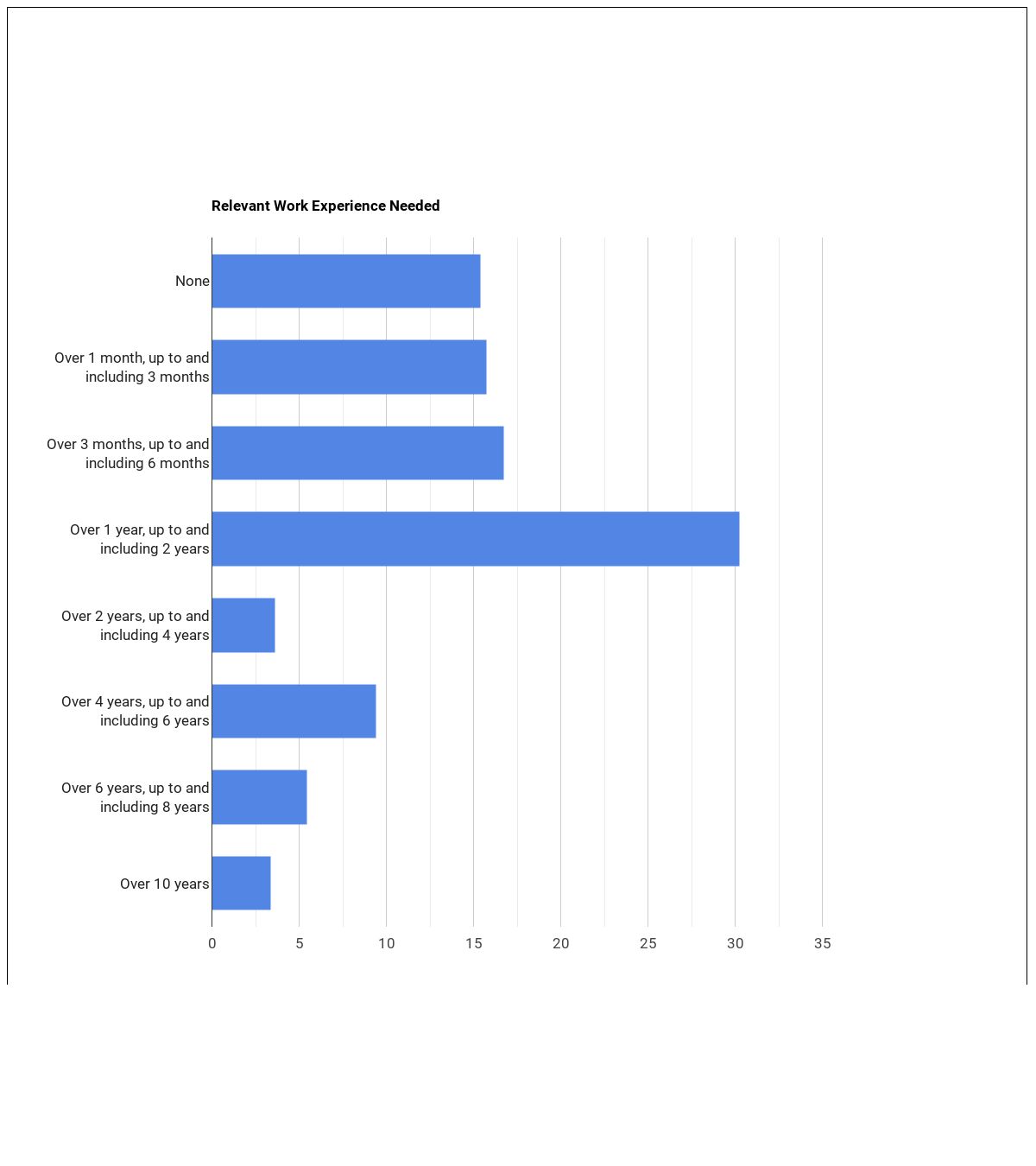
How many years of work experience do I need?
Where do Fire Investigators Work?
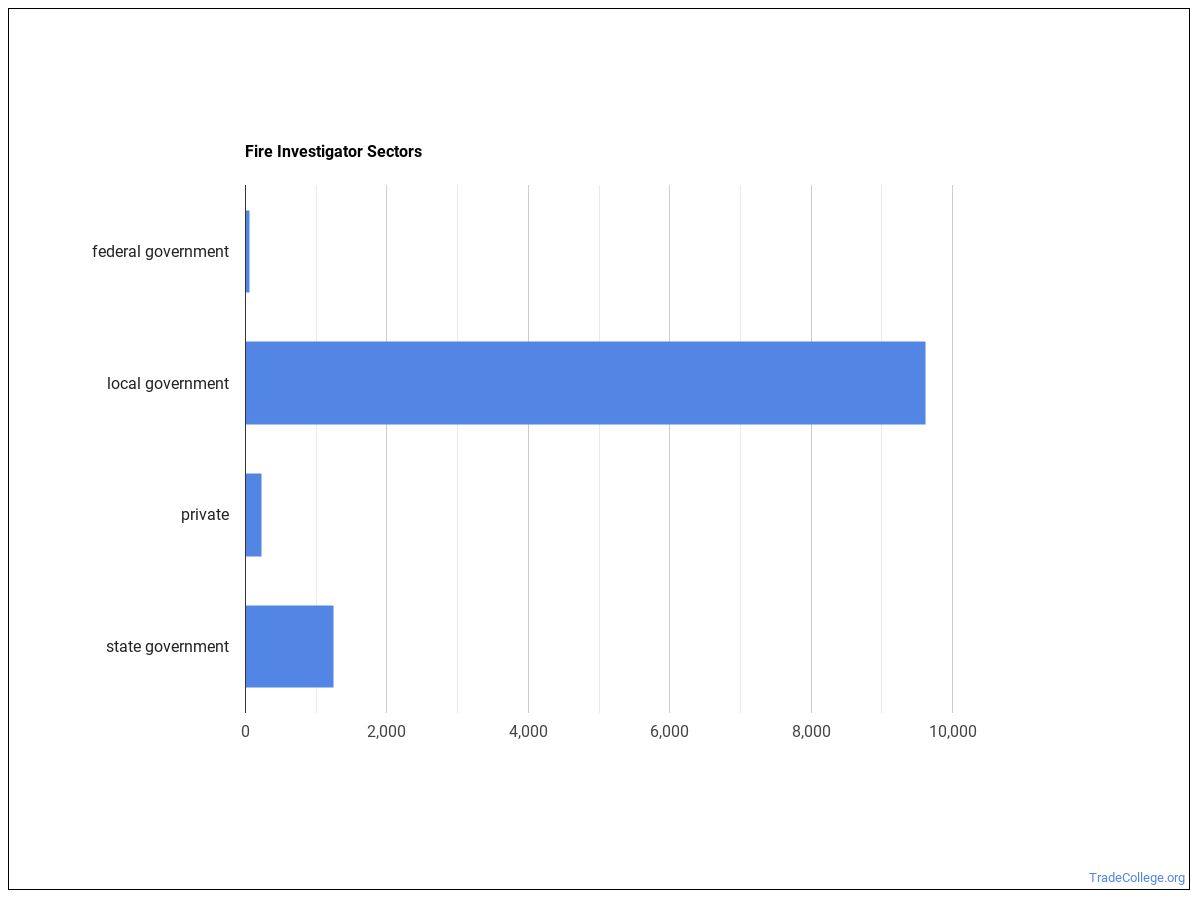
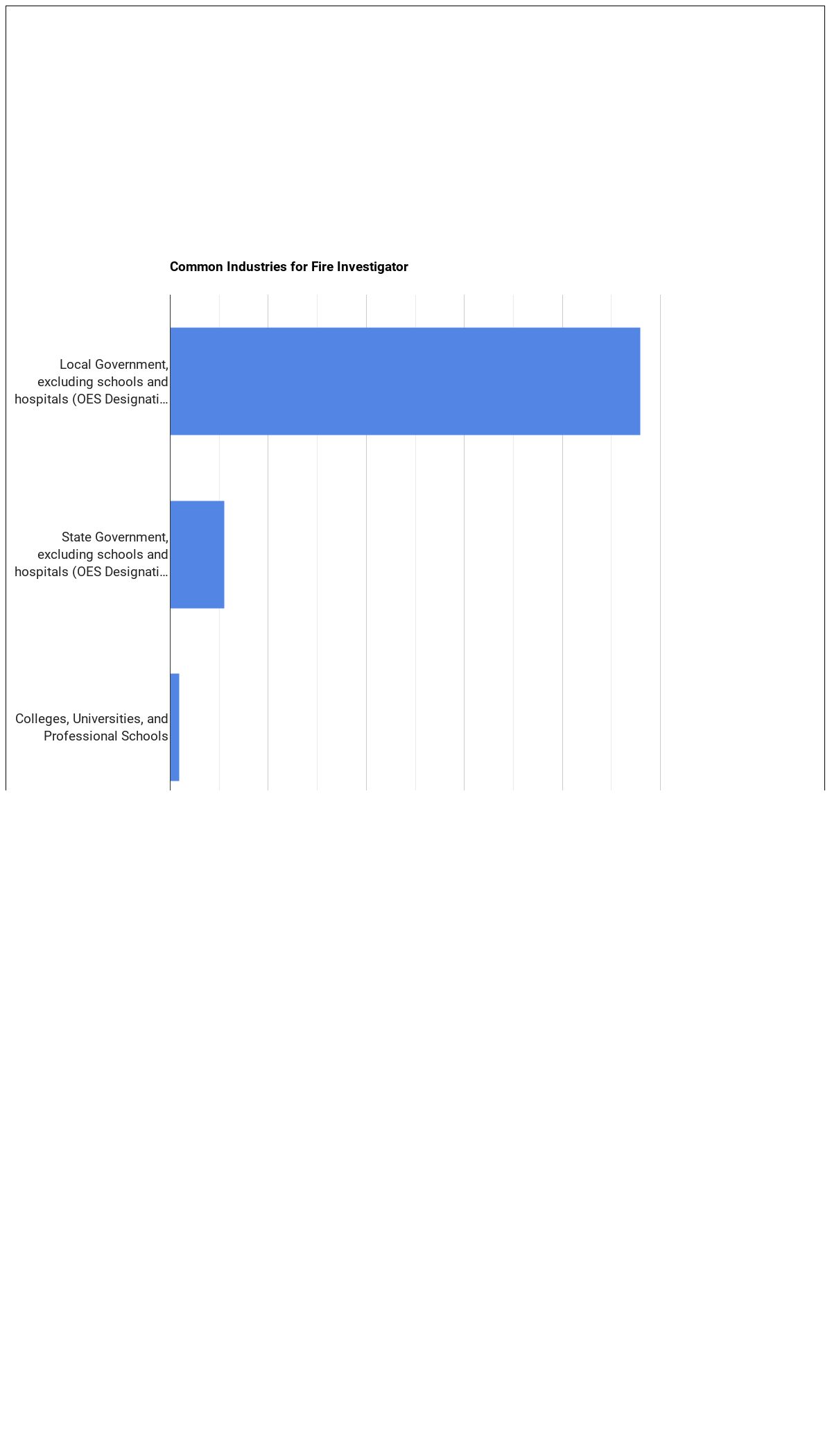
The table below shows some of the most common industries where those employed in this career field work.
References:
Image Credit: Airman 1st Class Sergio A. Gamboa via Public domain
More about our data sources and methodologies.

TradeCollege.org provides higher-education, college and university, degree, program, career, salary, and other helpful information to students, faculty, institutions, and other internet audiences. Presented information and data are subject to change. Inclusion on this website does not imply or represent a direct relationship with the company, school, or brand. Information, though believed correct at time of publication, may not be correct, and no warranty is provided. Contact the schools to verify any information before relying on it. Financial aid may be available for those who qualify. TradeCollege.org is a for-profit site, and the displayed options may include sponsored or recommended results, not necessarily based on your preferences.
© TradeCollege.org – All Rights Reserved.